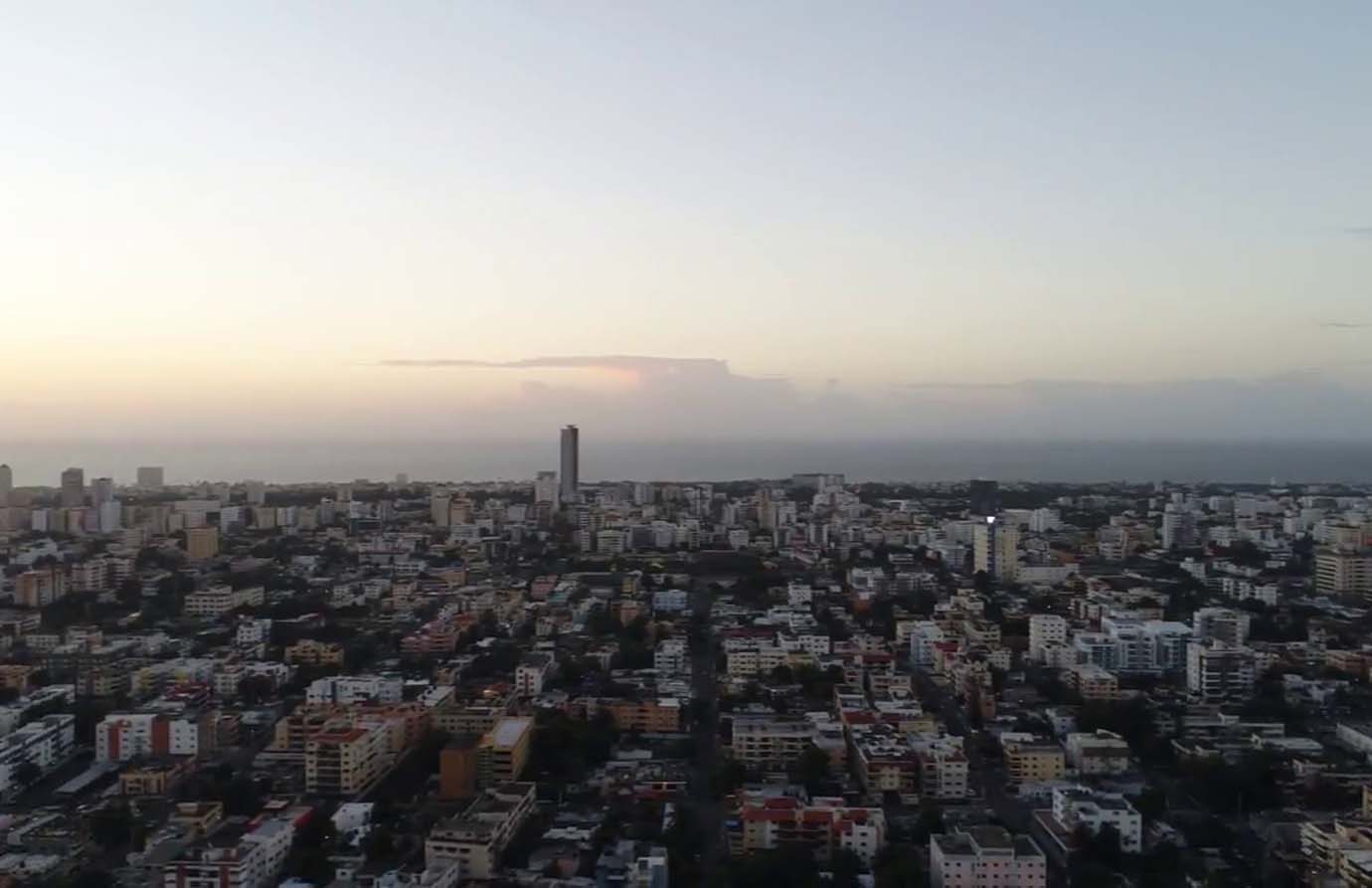
Bari in southern Italy is not only the capital of Puglia, but also a shining pearl on the Adriatic coast. The city has been an important port since the ancient Roman period, and now attracts countless tourists with its rich historical heritage, marine culture, religious relics and medieval style.
For families traveling with children, Bari is a rare destination. There are many cultural spaces and historical museums that combine education with entertainment, allowing children to learn about the long history of southern Italy in a relaxed and interactive atmosphere.
1. Bari Archaeological Museum (Museo Archeologico di Santa Scolastica): A journey from ancient Greece to the Middle Ages
Located in the Monastery of Santa Scolastica in a corner of the old town, this archaeological museum is like a magic door to time in the eyes of children. The museum not only retains the ancient architectural structure of the monastery, but also displays a large number of ancient artifacts in interactive devices to stimulate children’s desire to explore.
The exhibition area includes ceramics and bronzes from ancient Greece, currency and daily utensils from the Roman Empire, and religious artifacts from the Puglia region in the Middle Ages. The “Touch History” interactive platform is especially recommended, where children can touch the artifacts with their own hands through replicas and intuitively understand how these items were used in ancient times.
There are scheduled guided tours and children-only explanations every week, using vivid stories and role-playing methods to allow children to immerse themselves in ancient life. In summer, the “Ancient Roman Market Reappearance” event is often held, and children can put on small cloaks and dress up as little merchants.
Booking platform recommendation:
Tickets and guided tour services can be booked through platforms such as Tiqets, GetYourGuide and Klook.
Suitable age:
Ages over 6 years old, especially suitable for children who are interested in ancient civilizations.
Suggested tour time:
About 2 hours.
2. Museo Diocesano di Bari: Enter the mysterious hall of religious art
The Museo Diocesano di Bari, located next to the Bari Cathedral, is an important place for interpreting Italian religious art. The exhibition hall displays religious paintings, sculptures, sacred vessels and murals from the Byzantine to the Baroque period, which is a microcosm of the evolution of Puglia’s religious art.
Although the theme is religious, the museum has carefully designed a “picture treasure hunt game” suitable for children, guiding children to observe the story elements in art by finding details hidden in the paintings. The audio guide is equipped with a children’s channel and uses an anthropomorphic narrative tone, which is suitable for younger children to understand.
The museum is particularly popular in the underground cemetery area. Here, ancient foundations, epitaphs and early Christian symbols excavated by archaeological excavations are displayed. It is mysterious and educational, and it is the best window for children to understand the early European religious society.
Booking platform recommendation:
Booking family packages through Viator and Musement platforms can enjoy discounts, sometimes including children’s workshop courses.
Suitable age:
Over 7 years old, children who are interested in religious stories can better integrate into the experience.
Suggested tour time:
About 1.5 hours.
3. Museo Civico di Bari: The past and present of the city
The Museo Civico di Bari, located in a historic building in the center of the old city, is a key place to understand the history of Bari’s urban development. Through maps, images, models, old photos and physical exhibitions, the museum vividly tells how the city developed from a Roman port to a modern metropolis.

The exhibition is divided into several thematic units: medieval defense system, maritime culture, urban expansion in the Norman period, and industrialization in the 20th century. In order to stimulate children’s interest, the museum has set up a “children’s interactive wall”. Through AR projection, the walls and blocks of the ancient city of Bari are restored into a three-dimensional model. Children can control the characters through touch and shuttle through it to observe historical changes.
During holidays, there are also simulation activities of “playing the mayor”. Children will simulate the formulation of medieval urban policies, from well allocation to port tariffs, which is fun and educational.
Booking platform recommendation:
You can make an appointment through Civitatis and CityPass Bari, which is often packaged with walking tours or electric car tours.
Suitable for ages:
Suitable for all ages 5 and above, especially for children who love urban planning or maps.
Recommended visit time:
1.5 to 2 hours.
4. Bari Science and Transportation Cultural Center (Centro Interattivo della Scienza e dei Trasporti): A hands-on future classroom
This is one of the most modern cultural venues in Bari, integrating the themes of science, transportation, engineering and environmental protection. The venue itself is located in an old industrial warehouse and has been cleverly transformed into an open science and technology park, which is especially popular with children and teenagers.
There are many interactive experimental sites, such as self-generation experience, bicycle gear principle, solar power generation model, water resource utilization simulation, etc. Children can understand energy circulation and engineering design concepts through hands-on experiments. The transportation area shows the development path from steam locomotives to electric vehicles, and provides driving simulators and balance test projects.
The “Flight Experience Cabin” and “Future City Sandbox” are especially recommended. The former simulates the principles of flight and airflow, and the latter allows children to freely plan an environmentally friendly city through lights and building blocks, which not only trains logical ability but also encourages environmental awareness.
Recommended booking platform:
GetYourGuide and Klook offer family package tickets with exclusive explanation services.
Suitable for ages:
Family with children aged 5 to 14, suitable for children who are curious about scientific exploration.
Recommended visit time:
About 2 to 2.5 hours, you can also rest in the dining area.
5. Bari Traditional Life and Agricultural Museum (Museo delle Tradizioni e della Vita Rurale): Return to childhood on the farm
This outdoor museum, about 20 minutes’ drive from the city center, is the best place to explore rural life in southern Italy. The entire museum is laid out like a small farm, including an agricultural tool exhibition area, a traditional residence restoration area, and an animal interaction area, allowing children to experience the traditional lifestyle firsthand.

Children can try grinding flour with an old-fashioned stone mill, observe the olive pressing process, and participate in handmade pizza making courses. The animal area has docile animals such as goats, donkeys, and rabbits, which can be fed and interacted with up close, and are very popular with young children. Traditional craft courses such as pottery making and embroidery experience are available every weekend to strengthen children’s understanding of local culture.
The venue has an open environment and good natural ecology, and is also an ideal place for parent-child picnics. For families from the city, this is a natural classroom to get close to the land and learn about history.
Booking platform recommendation:
Klook and Viator both provide agricultural experience projects, some of which are also equipped with Chinese and English tour guide services.
Suitable age:
Over 3 years old, especially suitable for kindergarten and elementary school age groups.
Recommended tour time:
Half a day to a full day, it is recommended to bring a water bottle and sunshade equipment.
6. Tour suggestions and precautions
Most of these museums and cultural centers in Bari are friendly places suitable for parent-child travel. They not only focus on knowledge dissemination, but also take into account children’s acceptance methods in creating an atmosphere. To enhance the tour experience, it is recommended to pay attention to the following points:
Book in advance: Especially on holidays and weekends, many venues have limited places for children’s activities. It is recommended to make reservations at least 3 days in advance through the above platforms.
Choose a children’s explanation or interactive version: Most venues are equipped with multilingual services and children’s mode guides, using a more intuitive way to explain history and culture.
Prepare portable snacks and drinking water: Some museums do not allow eating and drinking, but outdoor or comprehensive museums often have rest areas, which are suitable for arranging light picnics.
Pay attention to children’s safety areas: Some exhibition halls have high-platform displays or mechanical equipment areas, and parents are required to accompany them throughout the process to ensure the safety of their children.
Arrange your time and pace reasonably: Each museum has rich exhibition content. It is recommended to reserve sufficient time and adjust the order of the visit according to the children’s interests.
It doesn’t have to be dull and boring to let children get in touch with history. In Bari, a city that combines the style of an ancient port, religious civilization and modern vitality, history itself is part of life. Through interactive exhibitions, immersive experiences and hands-on opportunities, children can not only see cultural relics, but also “hear” the voice of history and “touch” the temperature of the past.
Museums and cultural centers are not only halls of knowledge, but also important places for family memories. Take advantage of the sunshine and take your children on a cultural journey through thousands of years, which may gain a deeper historical enlightenment than textbooks.