On the Ligurian coastline in northern Italy, Genoa is like a time machine, quietly guarding the culture and memory between the sea and the hills. This city has a long history and is one of the most important ports in the Mediterranean. It was once the core of the Republic of Genoa. Its streets seem to still echo the footsteps of medieval merchants and sailors.
The maze-like alleys are intricate, and walking through them is like entering a private conversation about the soul of the city. The magnificent Baroque palaces are arranged along the “Golden Street”, telling the glory and luxury of an era. Colorful fishing villages such as Boccadase reflect the lifestyle under the Ligurian sun.
The coexistence of world-class museums and art galleries and the modern renewal of the old port has made this city find a unique balance between history and the contemporary. Through the lens, you can capture the charm of light and shadow in Genoa; by stepping, you can truly feel its rhythm and temperature.
1. Spinola Palace and Palazzo Bianco: Capturing the Light and Shadow of the Renaissance
Location: Via Garibaldi, Genoa Historic Center
Opening hours: Tuesday to Sunday 9:00–18:30 (closed on Monday)
Suggested time: 2 hours
Transportation route: Take the subway to De Ferrari Station and walk for about 5 minutes to arrive
Booking platform: Tiqets, GetYourGuide, Klook
Ticket fee: About 10 euros for a single museum, and about 15 euros for a pass (including multi-museum tickets)
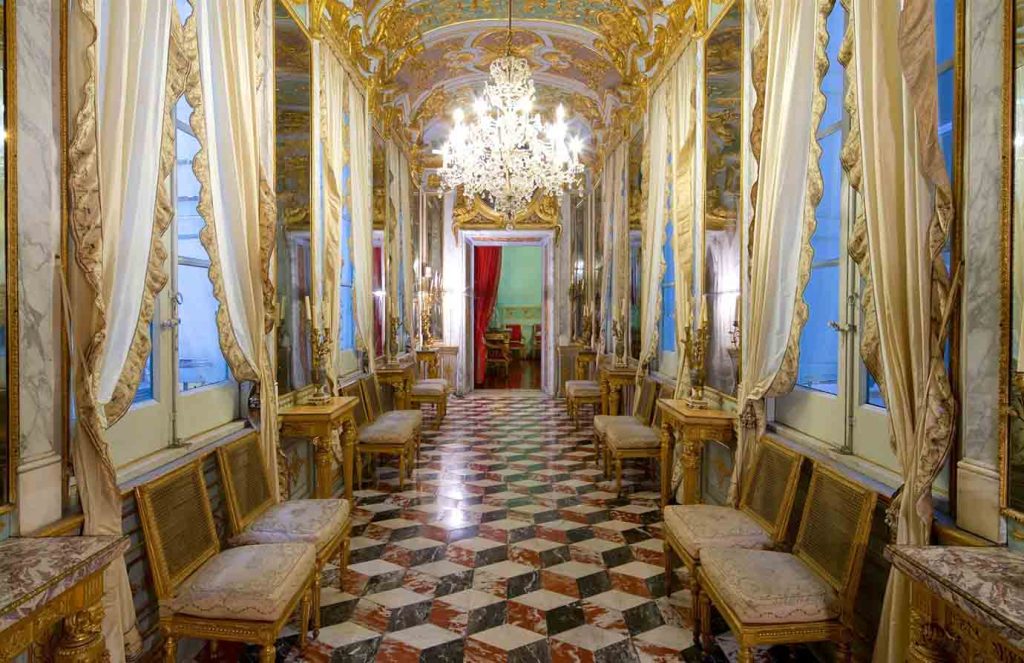
Via Garibaldi is the most culturally rich art avenue in Genoa. The noble mansions along the street are the essence of Baroque and Renaissance. Palazzo Bianco and Palazzo Spinola are two palaces that photography enthusiasts must not miss. The sunlight shines on the marble floor through the towering window lattices, adding a sacred filter to the picture. Especially in the early morning, the sun shines obliquely on the colonnades and murals, easily creating a light and shadow contrast full of emotional tension, which is an ideal place to shoot architectural details and retro atmosphere blockbusters.
2. Genoa Old Port (Porto Antico): Golden hour of blue sky and harbor
Location: Calata Mandraccio Port area
Opening hours: open all day (some exhibition halls such as aquariums are open from 9:30 to 20:00)
Suggested play time: 2-3 hours
Transportation route: Metro San Giorgio Station or walk through Via San Lorenzo
Booking platform: Musement, Tiqets, GetYourGuide
Ticket fee: Free in public areas, aquarium tickets start at about 28 euros
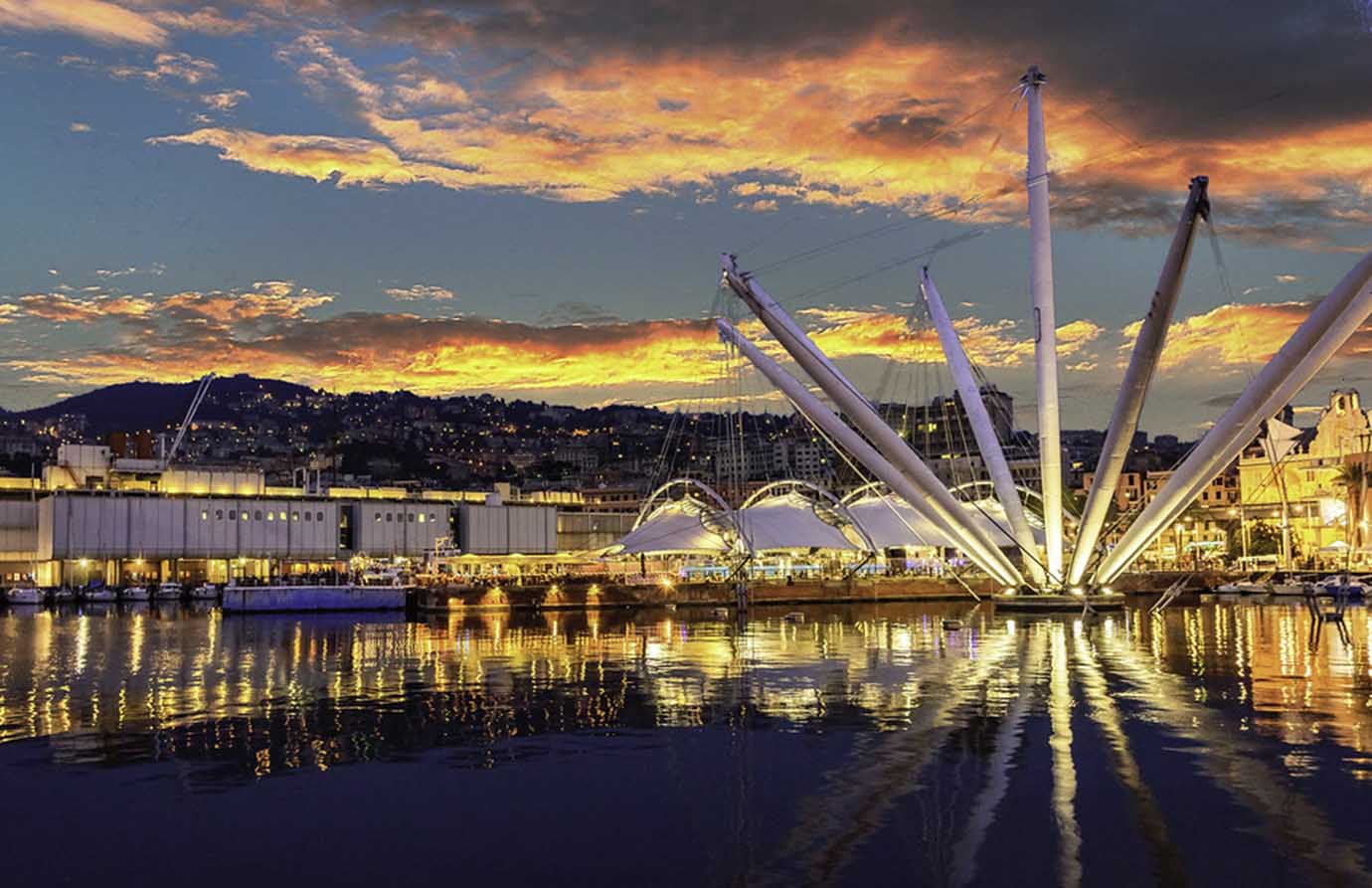
Genoa Old Port is the intersection of urban life and marine culture. Photographers can arrive at the port before or after sunrise or dusk, and the lens will capture the unique scenery of the blue sea reflection, ship silhouettes and modern building outlines. There are also cultural spaces such as the Rezzo Maritime Museum and the Genoa Aquarium. The indoor light is rich and varied, which is also suitable for low-light photography and macro photography. In addition, you can climb the Bego elevator tower to overlook the entire harbor and take in the sea and sky of Genoa. It is an excellent platform for urban landscape photography.
3. Boccadasse Fishing Village: Capturing the Dialogue between Color and Time
Location: Located on the coastline southeast of Genoa
Opening hours: Open all day
Suggested play time: 1.5 hours
Transportation route: Take bus No. 31 to Boccadasse Station
Booking platform: Viator, Klook (some photography hiking groups include this point)
Ticket fee: Free
As one of the most pictorial places in Genoa, Boccadasse Fishing Village is a colorful dream. Cobblestone paths, colorful houses, salty and humid sea breezes and the leisurely pace of life of villagers make this an ideal slow shutter street photography scene. In the afternoon sun, the pink, orange and sky blue exteriors of the houses are rendered particularly charming by the soft light, which is suitable for shooting backlit portraits or documentary-style street scenes. At sunset, the sun behind the fishing village slowly falls into the Mediterranean Sea, which is the best time to shoot silhouettes and long exposure photos.
4. Cathedral of San Lorenzo: Symmetrical Art between Black and White Stone Patterns
Location: Piazza San Lorenzo, the core of Genoa’s old town
Opening hours: Monday to Saturday 9:00-12:00, 15:00-18:00; only open part of the time on Sunday
Suggested play time: 1 hour
Transportation route: 5 minutes walk from De Ferrari Metro Station
Booking platform: Some walking tours can be booked through GetYourGuide and Klook
Ticket fee: Free entry, the underground museum requires an additional fee of about 6 euros
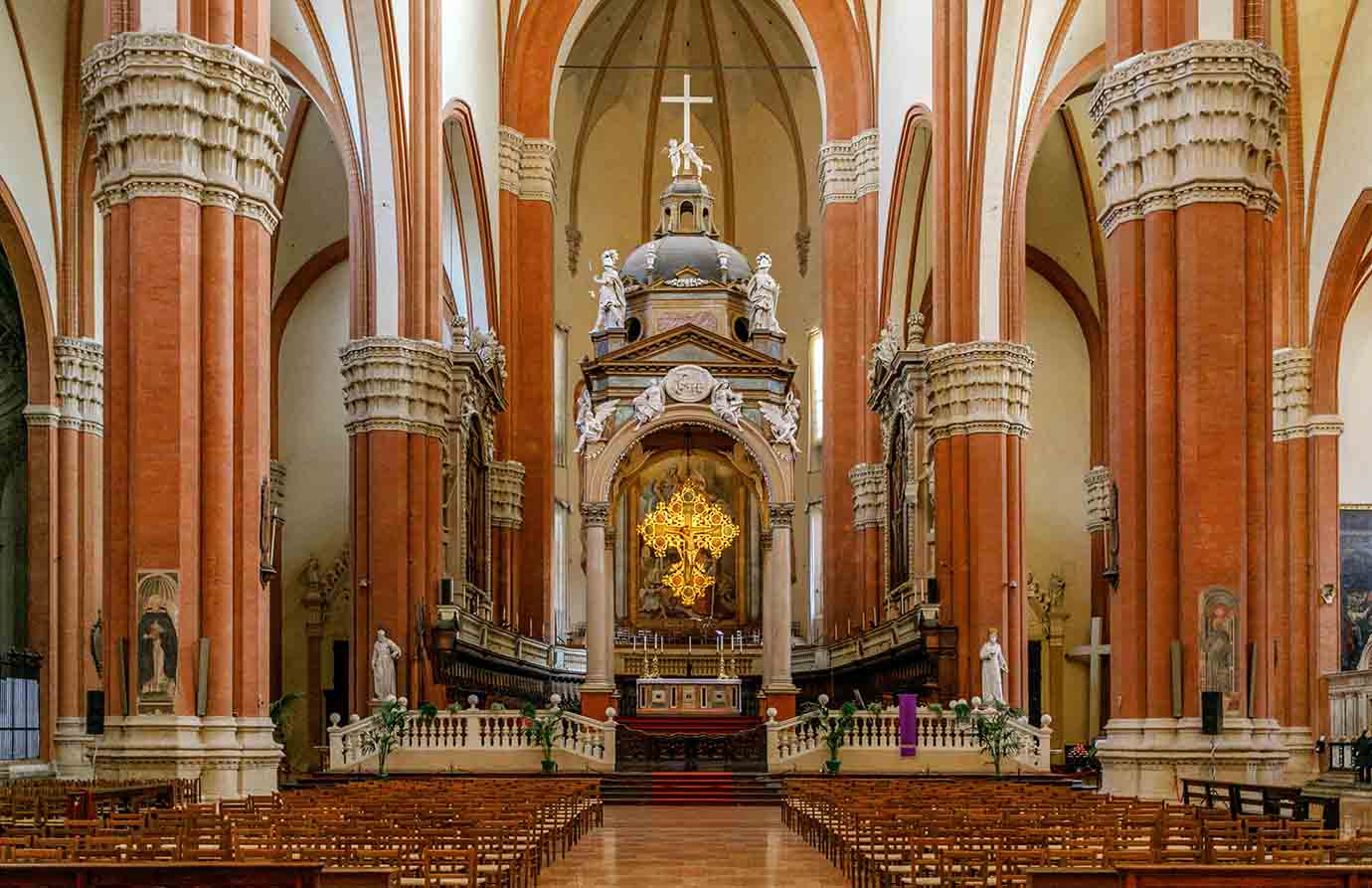
The Cathedral of San Lorenzo is famous for its black and white striped stone facade and is one of the most important religious buildings in Genoa. Its architectural style combines Gothic, Baroque and Roman elements, showing a complex but orderly structural beauty under the lens. Entering the church, the stained glass and the towering dome form a wonderful refraction of light and shadow, which is suitable for using a wide-angle lens for spatial composition. The cellar is darker, so you can try high ISO photography or long exposure with a tripod to explore the deep religious connotations and historical memories.
5. Spianata Castelletto: Overlooking the urban context of Genoa
Location: Belvedere Montaldo, high in the city center
Opening hours: open all day
Suggested play time: 1 hour
Transportation route: You can take the Castelletto elevator (Elevator to Castelletto) directly to the viewing point
Booking platform: Some photography tours can be booked through Viator or GetYourGuide
Ticket fee: Free (elevator fee is about 1 euro)
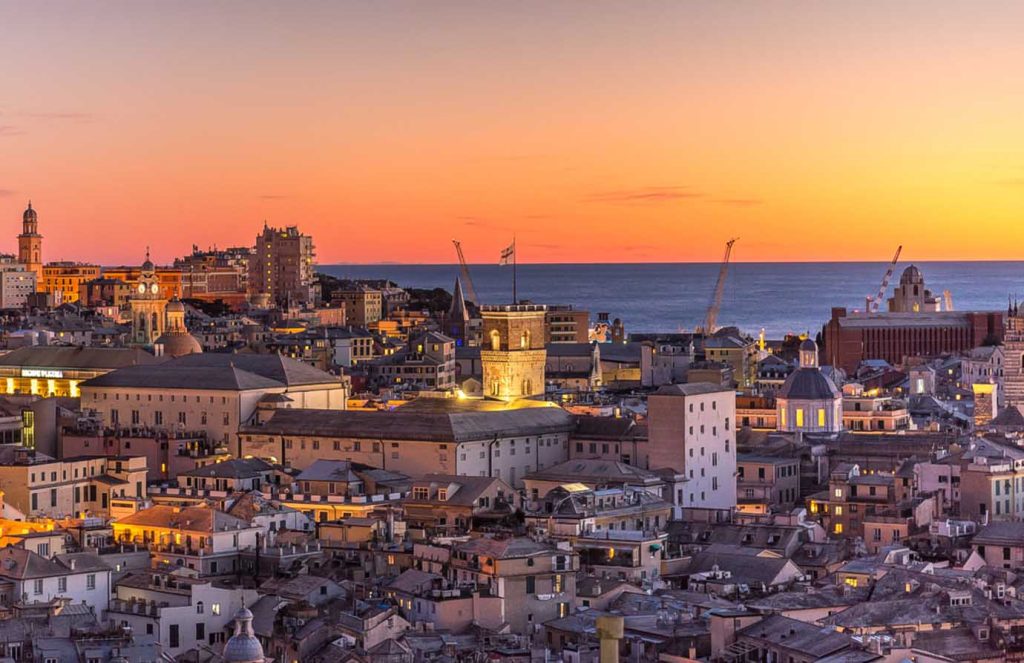
If you want to see the city layers and the whole view of the harbor in Genoa, the Castelletto viewing platform is the best choice. It is especially recommended to arrive before sunset, when the sun shines obliquely into the sky above the city from the southwest, and the ancient red roofs and the harbor appear particularly brilliant under the golden light. Using a telephoto lens can capture pedestrians walking in the streets, the layering of the alleys, and the progression of light and shadow in the city. After nightfall, the brightly lit city outline presents another charming style, which is a prime location for photographing the city night scene.
6. Photography travel tips: Walking on the boundary between images and memories
Best shooting time: the charm of light and shadow at dawn and dusk
The best time for photography in Genoa is early morning and dusk. In the morning, the port is misty and the sun shines on the street corners, which is suitable for photographing the tranquil scene of the city waking up. Dusk provides warm and soft golden light, which is a dreamy moment to show the old town and the coastline. It is recommended to plan the itinerary according to the local sunrise and sunset time to capture the most emotional natural light.
Lens selection suggestion: Multi-focal length creates a three-dimensional city impression
Wide-angle lenses are suitable for photographing churches, squares and deep streets, which can show the majestic momentum of Genoa’s buildings. Telephoto lenses are suitable for capturing distant lighthouses, hillside buildings and port sailboats to enhance the level of the picture. Macro lenses can reveal details such as ironwork, door knockers, and stone textures in the old town, complementing the beauty of documentary.
Photographic equipment recommendation: The best combination of lightness and efficiency
It is recommended to carry a portable micro single or high-definition fixed-lens camera, such as the Fuji X100 series or Sony α7 series, with a lightweight tripod, which is easy to carry and suitable for night scene shooting. Spare batteries and memory cards are essential to ensure uninterrupted shooting throughout the day, and are a stable assistant in photography travel.
Safety precautions: alertness beyond light and shadow
The alleys in the old town of Genoa are winding and narrow, and some areas are not well lit at night. It is recommended to arrange the main shooting time during the day, keep the equipment with you, and avoid entering sparsely populated areas alone. If you need to shoot the port or city lights at night, it is best to travel in groups and stay alert to the surrounding environment to ensure the safety of both people and equipment.
Booking suggestions: Avoid crowds during peak hours
During peak tourist seasons such as summer and Easter, popular attractions such as the Basilica of San Lorenzo, the aquarium and the observation deck are crowded. It is recommended to book photography tours, tickets or museum tours in advance through platforms such as Klook, Tiqets, GetYourGuide or Viator, which not only saves queuing time, but also ensures high-quality shooting time and perspective.
Genoa is not a city that can be fully understood in one trip. It is like a complex but rhythmic collage, and its charm needs to be understood through multiple gazes and walks. And photography is the most direct form of this “gaze”.
From the intricate carvings of Garibaldi Street to the carelessness of the Boccadasse Coast; from the solemnity of religious temples to the life atmosphere of the market by the port, every frame carries the breath and pulse of Genoa for thousands of years. In the lens, it is no longer just a coordinate on the map, but a lifestyle that is within reach, a memory unique to travelers.
Follow the camera and follow the light and shadow to travel Genoa – at every moment the shutter is released, let this port city become part of the eternal picture.